
Cognitive Listening
It is a service that goes beyond simple, passive listening by actively engaging the cognitive processes required to both hear and process complex, emotional, and often stressful medical information.
The service is rooted in the idea that for older adults and those with debilitating conditions, listening itself can be effortful (referred to as "effortful listening") due to factors like cognitive decline, fatigue, illness, or noisy clinical environments. The advocate steps in to minimize this burden and ensure the patient's voice is fully integrated into their care plan.


Core Service
he Cognitive Listening Service is delivered by a trained Patient Advocate who performs the following functions:
-
Repeat and Rephrase: The Advocate repeats, paraphrases, and recalibrates the patient's statements to demonstrate an understanding of their views and concerns with the physician or medical professional. This makes the patient feel "valued and heard".
-
Write, Retain and Review: In doctor's appointment, the Patient Advocate reduces the information load on the patient. The Patient Advocate takes notes and serves as a mental "buffer," retaining information that the patient may not process or remember due to anxiety or illness-related limitations. The Patient Advocate reviews the notes with the patient or patients family after the visit.
-
Clear and Simple: The Patient Advocate helps the patient and patient family to understand the medical dialogue in simplistic terms. This is crucial for patients with chronic or complex illnesses that need to understand the facts of their diagnosis and options when they must make decisions about complicated treatment paths.
-
Looking, Listening and Emotional Processing: Patient Advocates are trained to observe body language, change in tone and tenor of the voice to assess a patients emotions when receiving important health related information from a medical professional. The advocate provides emotional support by demonstrating an understanding of "patient needs" and "patient values" ensuring the patient's is heard, seen and respected by the healthcare provider. is captured and respected.

A Commitment to Compassionate Care and Empowerment
Each patient and/or family member feels adequately supported and heard during their health endeavors, improving their healthcare experience.
We envision a healthcare experience where:
-
Holistic Support is Standard: Support is not an add-on but an intrinsic part of the care model, addressing not only the clinical needs but also the emotional, social, and psychological well-being of the patient and their family.
-
Voices are Valued: Every patient and family member feels empowered to share their concerns, perspectives, and preferences, and knows that this input is actively listened to, respected, and integrated into the care plan. Their involvement is key to decision-making.
-
Communication is Clear and Compassionate: Information is delivered in an understandable, timely, and sensitive manner, reducing anxiety and promoting confidence in the care received.
-
The Healthcare Experience is Elevated: By prioritizing comprehensive support and ensuring that individuals feel heard, we will systematically improve overall patient satisfaction, clinical outcomes, adherence to treatment plans, and the overall perception of the care system.
Ultimately, this vision guides our commitment to creating a compassionate, patient-centered ecosystem that redefines the standard of care, making the health endeavor a less daunting and more empowering experience for everyone involved.
Our Current Services


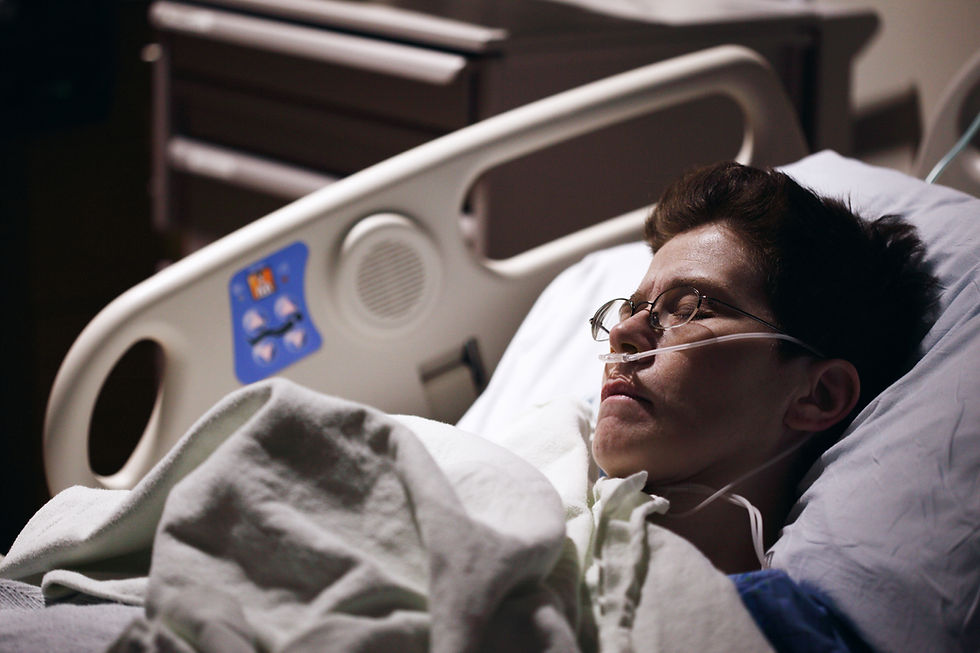
Critically Ill
Non-medical healthcare support for critically ill patients focuses on providing emotional comfort, practical help, and effective communication with the medical team and other family members. This support is vital for both the patient's well-being and the family's ability to cope during a crisis.

Let's Talk